The Hidden Cost of Potholes and What Crumbling Roads Are Doing to Your Vehicle
If you have driven anywhere in Metro Detroit recently, you already know the roads are in rough shape. From the stretches of I-75 that seem to get patched and re-patched every spring to the side streets around Madison Heights that feel more like obstacle courses than public roads, Michigan drivers deal with some of the worst pavement conditions in the country. And it is costing you more than you probably realize.
According to AAA, American drivers spend approximately 26 billion dollars every year on pothole-related vehicle damage. That breaks down to roughly 600 dollars per driver annually. The frustrating part is that most of that money goes toward repairs that could have been minimized with earlier detection.
Why Potholes Are More Damaging Than They Look
There is a tendency to think of potholes as a minor nuisance. You hit one, nothing sounds terrible, and you keep driving. But what happens to your vehicle in that split second is more violent than it appears from the driver seat.
When your tire drops into a pothole and strikes the far edge on the way out, it sends a sharp upward force through your wheel and directly into your suspension system. Your shocks and struts are designed to manage gradual compression, not sudden impacts. Hit enough potholes at highway speed and you are essentially hammering your suspension components in ways they were never engineered to handle repeatedly.
The damage is not always immediate or obvious. That is what makes it so expensive in the long run. A single hard hit on a road like Dequindre or the service drive near 11 Mile can knock your alignment out of specification, begin cracking a control arm bushing, or bend a wheel slightly. None of those things will necessarily announce themselves right away. They will just quietly get worse.
The Cascading Cost of Ignoring Pothole Damage
Here is what the 26 billion dollar figure actually represents when you break it down at the vehicle level. Pothole damage rarely stops at one component. It tends to move through your vehicle in a predictable chain.
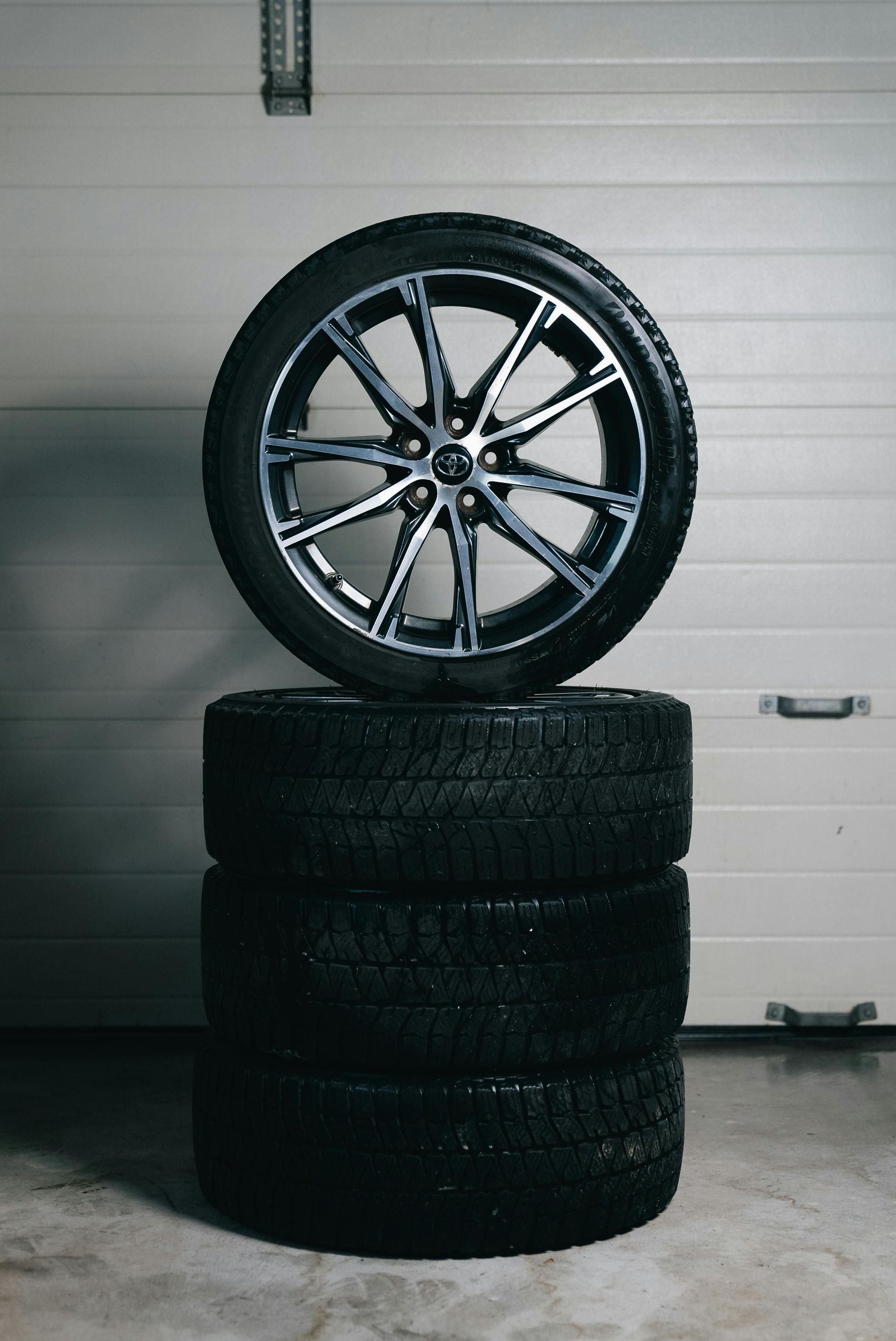
A bent wheel creates uneven tire contact, which accelerates tire wear on one edge. Uneven tire wear pulls your vehicle out of alignment. Poor alignment stresses your steering components and wheel bearings. By the time a driver brings their car in because it is pulling to one side or the steering wheel vibrates at highway speeds, they are often looking at repairs across multiple systems that originated from road impacts they long forgot about.
We see this regularly in our area. Michigan winters are hard on pavement, and the freeze-thaw cycle that breaks roads apart every spring creates a window of a few months where suspension damage accumulates faster than most drivers notice. The roads around Oakland County and into Wayne County take a beating every year, and the vehicles driving them take that same beating.
What Federal and State Infrastructure Conversations Mean for Your Car Right Now
There has been significant discussion at both the state and federal level about road repair funding, and Michigan has historically ranked among the worst states in the country for road quality. While infrastructure investment conversations continue in Lansing and Washington, the roads drivers are using today are the roads that exist today. Waiting for political solutions to protect your vehicle is not a strategy.
The practical reality is that you cannot avoid every pothole. What you can do is make sure the damage they cause is found and addressed before it compounds into something far more expensive.
Why a Post-Winter Suspension Assessment Makes Financial Sense
We recommend that drivers in the Madison Heights area treat the end of winter as a trigger for a suspension and alignment check, not because of a calendar date but because of what Michigan roads do to vehicles between November and April.
A thorough inspection looks at your shocks and struts for fluid loss and physical damage, your control arm bushings for cracking or play, your tie rod ends and ball joints for looseness, and your alignment figures to see if anything has shifted. Catching a bushing that is beginning to separate or an alignment that is off by a meaningful margin costs a fraction of what those same issues cost after months of additional wear.
Potholes are not going away anytime soon. But the damage they cause does not have to spiral into a four-figure repair bill if you stay ahead of it.
We are here to help you do exactly that.
Contact Us
Address:
526 E 14 Mile Rd, Madison Heights, MI 48071
Phone:
(248) 206-3968
Hours: Mon-Fri 8:00 AM to 5:00 PM