What Do Sway Bar Links Do?
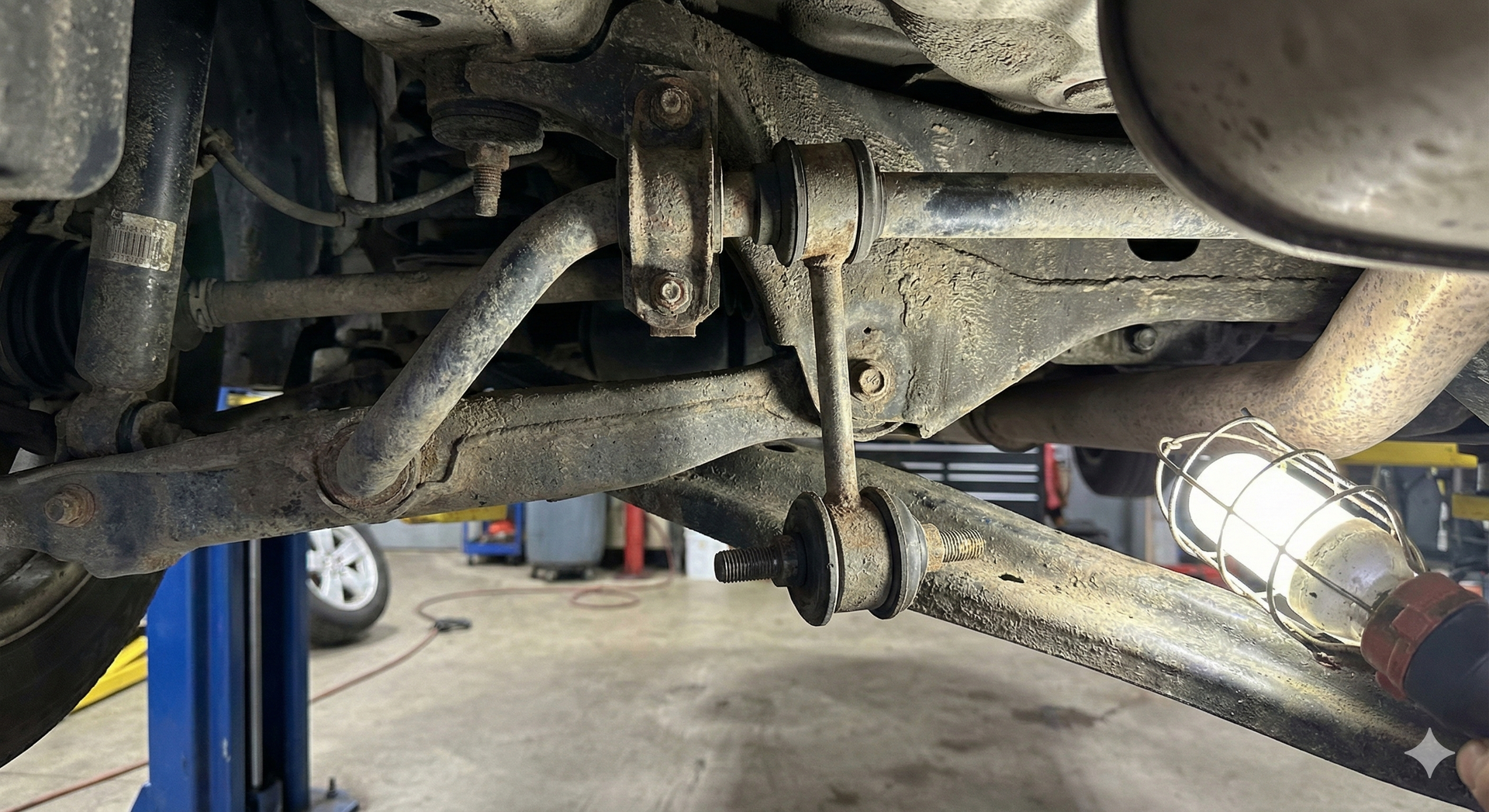
Sway bar links connect the sway bar to the suspension components on your vehicle. They act as the joining piece between the sway bar and the control arms or struts. Without these links, the sway bar cannot do its job.
The main purpose of sway bar links is to transfer movement from the suspension to the sway bar. When you turn your vehicle or hit a bump, one side of the car moves differently than the other. The links send this information to the sway bar, which then works to keep your vehicle balanced.
Key Tasks:
- Connect the sway bar to suspension parts
- Transfer force during turns and bumps
- Allow the sway bar to reduce body roll
- Help maintain tire contact with the road
When you take a corner, the weight of your vehicle shifts to one side. The sway bar links pull or push on the sway bar, which then applies force to keep the vehicle level. This happens in real time as you drive.
Bad sway bar links can cause several problems. You might hear clunking noises when going over bumps or turning. Your vehicle may lean more than normal during turns. The handling can feel loose or unpredictable.
Most sway bar links are made from metal with rubber bushings at the connection points. The rubber helps absorb vibrations and allows for smooth movement. Over time, these bushings wear out and the links need replacement.
What Are Sway Bar Links?
Sway bar links are small but important suspension components that connect the sway bar to the suspension system. They serve as the physical connection point between the stabilizer bar and either the control arms or struts. Without these links, the anti-roll bar couldn't do its job properly.
Good sway bar links improve handling by reducing excessive body roll. Your car feels more controlled when you change lanes or take curves. We see better vehicle stability because the weight stays more evenly distributed across all four tires.
Worn or broken sway bar links can't do their job properly. You might hear clunking noises over bumps or feel more lean in turns. The links are small but play a big role in how your vehicle handles.
Sway bar links also affect ride comfort. They help balance the need for stability with a smooth ride. The links must be strong enough to control body roll but flexible enough to allow normal suspension movement.
Signs of Worn Sway Bar Links
A clunking noise when driving over bumps is the most common sign of bad sway bar links. This happens because the worn connection allows metal parts to knock against each other. We also hear a rattling noise when turning corners or going over uneven roads.
The steering might feel loose or less responsive than normal. Our car may lean more than usual during turns because the sway bar can't do its job properly.
Can I replace sway bar links myself? Yes, many people can replace sway bar links with basic tools. The job needs a jack, jack stands, wrenches, and about an hour of time. We need to lift the car safely and unbolt the old links from both the sway bar and the control arm.
We recommend replacing sway bar links in pairs. If one side wears out, the other side usually isn't far behind.
Why Worn Sway Bar Links Should Not Be Ignored
Worn sway bar links create real safety risks that get worse over time. When these parts fail, your vehicle loses stability during turns and lane changes.
Safety and Control Issues
Bad sway bar links cause loose steering that makes your car harder to control. You might notice extra body roll when turning corners. A broken sway bar link can make your vehicle sway too much, which is dangerous at highway speeds.
Damage That Spreads
When we ignore sway bar link wear, other parts start to fail faster. The stress transfers to bushings, control arms, and suspension components. This means more repairs and higher bills later.
Common Warning Signs:
- Clunking noises over bumps
- Rattling sounds when turning
- Uneven tire wear on the edges
- Vehicle leans too much in corners
Impact on Daily Driving
We see the effects every time we drive. Your car feels less stable and less predictable. Emergency maneuvers become riskier when the suspension can't respond properly.
Stop by Interstate Auto Care in Madison Heights, MI for all of your suspension repair needs.
Interstate Auto Care
Address: 526 E. 14 Mile Rd., Madison Heights, MI
Phone:
(248) 206-3962
Written by Bill Nalu
Bill Nalu is the President of Interstate Auto Care in Madison Heights. With over 30 years of experience in the auto repair industry, he and his team serve local drivers in the Greater Detroit area.