The Quiet Tire Debate and Whether Comfort Is Coming at a Hidden Cost
There is a real and growing demand among drivers for a quieter cabin experience. Car manufacturers know it, tire companies know it, and if you have shopped for tires recently you have probably noticed how prominently words like "quiet," "comfort," and "low noise" appear in product descriptions. Noise-reducing tire technology has become a genuine selling point, and for many drivers it is the deciding factor at purchase.
But here at our shop, we have started asking a question that does not come up enough in those conversations. What happens to the rest of your vehicle when you fit it with tires that were engineered primarily around acoustic comfort?
This is not a straightforward answer, and we are not here to tell you noise-reducing tires are dangerous across the board. What we do want to do is give you the honest, nuanced picture that tire marketing rarely provides.
What Noise-Reducing Tire Technology Actually Does
Most acoustic or noise-reducing tires use one of two approaches, and sometimes both together.
The first is a foam insert bonded to the inside of the tire. This open-cell foam layer absorbs sound vibrations before they travel through the wheel and into the cabin. Manufacturers like Continental, Pirelli, and Michelin have all brought foam-lined variants to market, and they genuinely do reduce interior road noise in measurable ways.
The second approach involves tread pattern engineering. By optimizing the sequence and angle of tread blocks, tire designers can reduce the frequency and intensity of the noise generated as the tire rotates against the road surface. This is less controversial from a handling standpoint but also delivers more modest noise reduction.
The foam-filled approach is where things get more interesting from a mechanical perspective.
The Suspension Compatibility Question Nobody Is Asking
Here is what concerns us. Suspension systems are tuned to work with a specific range of tire characteristics. Ride frequency, sidewall stiffness, and the way a tire absorbs and transmits road impact are all factored into how a vehicle's shocks, struts, and spring rates are calibrated at the factory.
When you introduce a foam-lined tire, you change the acoustic and vibrational behavior of the tire in ways the original suspension tune may not fully account for. In most everyday driving situations, this difference is small enough to be irrelevant. But in situations where precision matters, think about merging onto I-75 at speed, navigating the curves on Woodward Avenue, or making an emergency lane change on I-696, those small differences in tire feedback and handling response can become meaningful.
There is also the question of what happens to that foam insert over time. Road debris, temperature cycling, and the general stress of Michigan winters can degrade the adhesive bond between the foam and the tire casing. A compromised insert does not always present obvious symptoms. It can change the balance of the tire and create vibrations that drivers often misattribute to wheel balance or suspension wear.
What About Blowout Risk and Repairability
This is a practical concern that does not get enough attention at the point of sale. Foam-lined tires cannot always be repaired using standard plug and patch methods. The foam insert can interfere with a technician's ability to inspect the inner liner properly and complete a repair that meets safety standards.
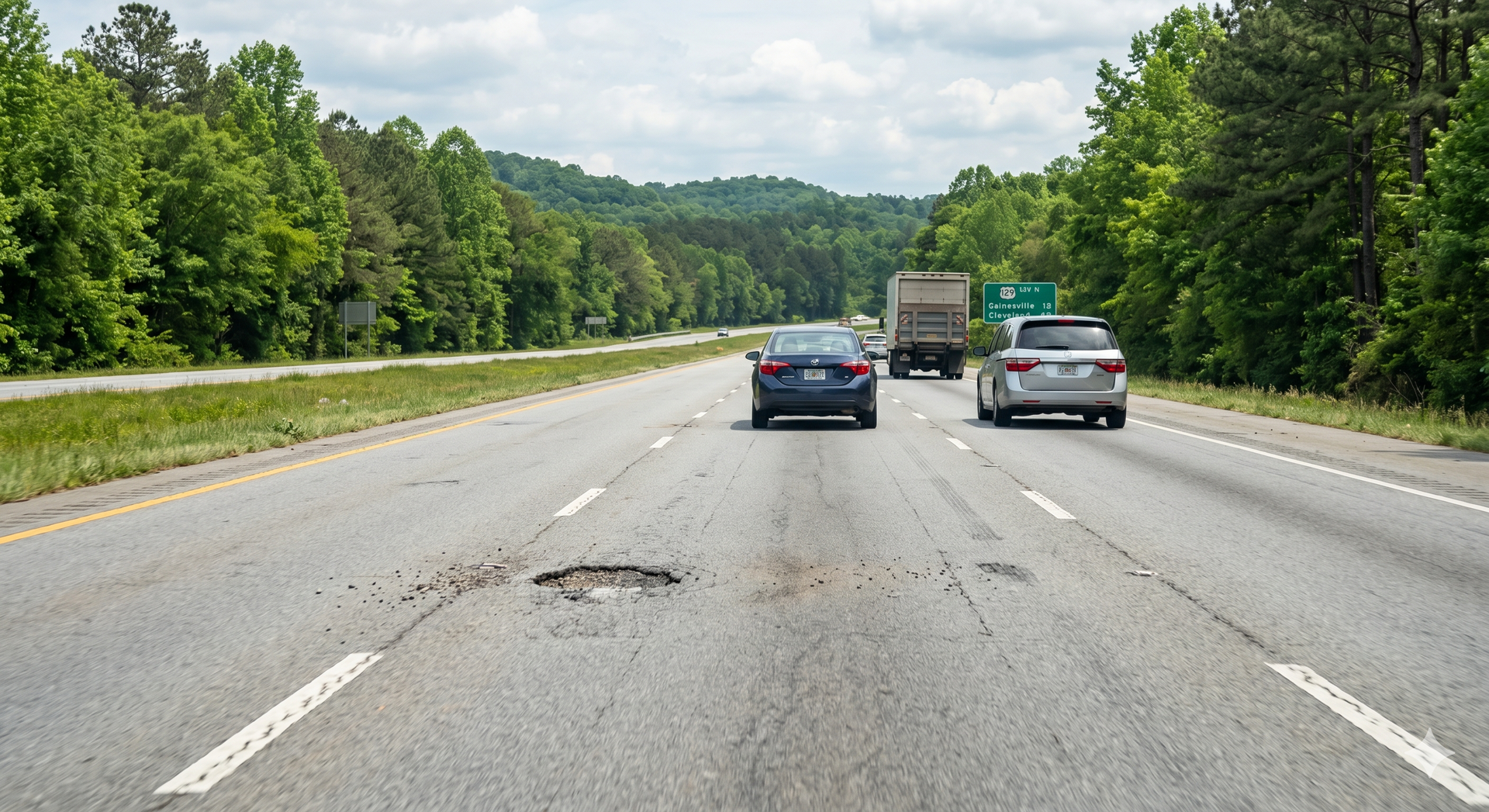
That means a road hazard that would be a straightforward twenty-dollar fix on a conventional tire can become a full tire replacement on a foam-lined model. For drivers in our area who regularly navigate pothole-heavy roads around Madison Heights or the construction zones that seem to be a permanent feature of Oakland County roads, that is a real cost consideration.
We are not saying avoid these tires entirely. We are saying go in with full information.
How to Make a Smart Decision About Quiet Tires
If a quieter ride is genuinely important to you, here is our honest guidance. Check whether the noise-reducing tire you are considering is listed as compatible with your vehicle's suspension setup. Ask your shop whether your current shocks and struts are in good enough condition to work properly with a tire that delivers different feedback characteristics. And understand the repair and replacement implications before you buy.
We also recommend that drivers who switch to foam-lined tires have their wheel balance and alignment verified after the first few hundred miles. Changes in how vibration transmits through the tire can mask balance issues that would otherwise be immediately obvious.
A quieter cabin is a legitimate thing to want. We just want to make sure the road to getting there does not come with surprises your suspension was never prepared for.
Contact Us
Address:
526 E 14 Mile Rd, Madison Heights, MI 48071
Phone:
(248) 206-3968
Hours: Mon-Fri 8:00 AM to 5:00 PM